
Accessibility options by NETOYED
Language


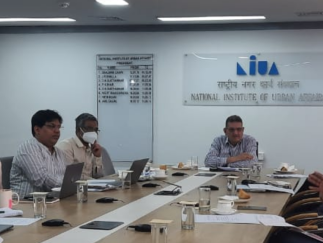
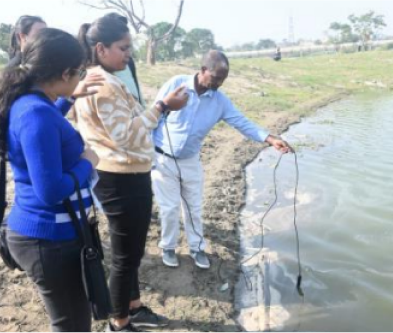
At the formal request of the District Administration of Pilibhit, Uttar Pradesh, a specialist team from the River Cities Alliance (RCA) Secretariat, housed within the National Institute of Urban Affairs (NIUA), conducted a two-day perception study visit to Pilibhit. The mission was initiated to address the escalating challenges of urban drainage and riverine flood management that have increasingly compromised the city’s infrastructure and public safety.
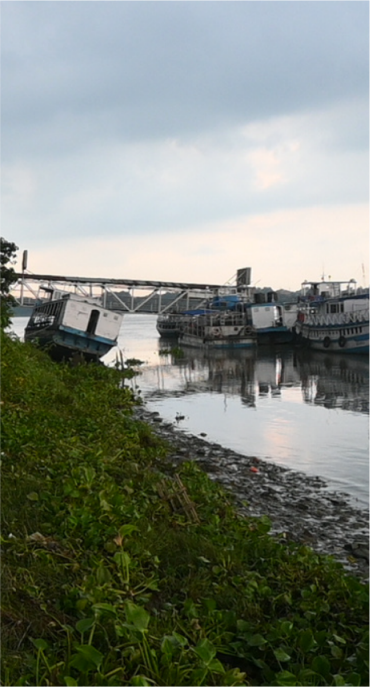
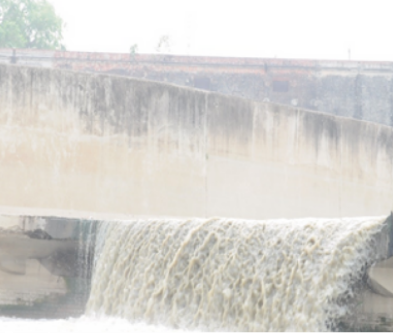
Pilibhit’s hydrological profile is defined by its location in the Terai region, where the Khakra and Devha rivers—key tributaries that eventually join the Ramganga and the Ganga—intersect with an expanding urban fabric. In recent years, the city has faced a dual threat of pluvial flooding (excessive rainfall) and riverine flooding (river overflow), necessitating a shift from reactive relief to proactive, integrated water management.